
You have just completed a vital step in preserving your oral health. Root canal therapy is a powerful treatment designed to eliminate deep infection, relieve pain, and save a tooth that might otherwise need to be extracted. While the procedure itself is now behind you, the healing journey is just beginning. Proper aftercare is the key to ensuring your tooth heals correctly, your comfort is managed, and your smile stays healthy for the long term.
At West El Paso Dentist, we understand that recovery can raise a few questions. This guide is designed to walk you through exactly what to expect in the hours and days following your treatment, how to protect your tooth, and the crucial next steps for a full restoration.
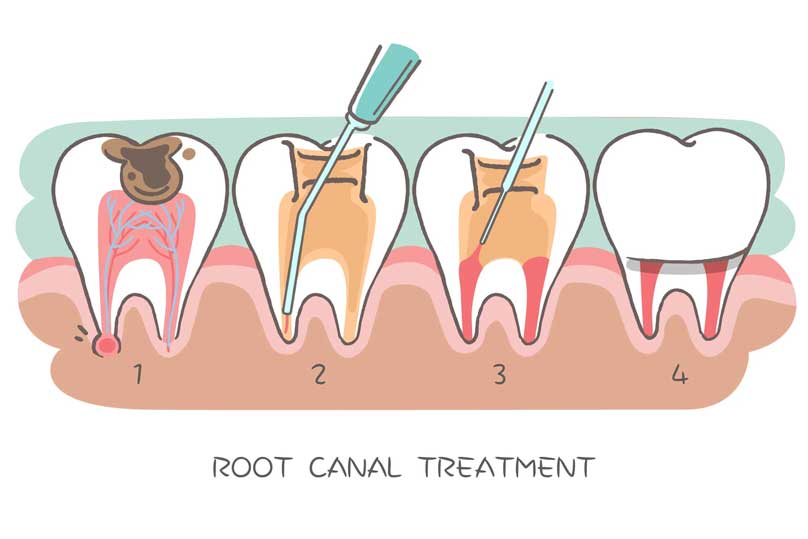
Immediate Post-Appointment Care
Root canal therapy typically involves the use of local anesthesia to numb the area, ensuring you remain comfortable throughout the procedure. As you leave our office, your lips, teeth, and tongue will likely remain numb for several hours. This sensation can feel strange, but it is temporary.
Protecting Your Mouth While Numb
During this period of numbness, your mouth is vulnerable to accidental injury. Because you cannot feel pain or temperature in the treated area, it is very easy to inadvertently bite your cheek, lip, or tongue.
We strongly recommend that you avoid chewing any food until the numbness has completely worn off. If you need to eat, stick to lukewarm liquids or very soft foods like yogurt or smoothies that don’t require chewing. Be cautious with temperature as well; since you can’t feel heat properly, you could burn your mouth without realizing it.
Managing Discomfort and Inflammation
It is completely normal to experience some degree of discomfort for several days after a root canal appointment. Even if you were not in pain before the procedure, the manipulation of the tooth and surrounding tissues can cause inflammation and tenderness.
It is not uncommon for the treated tooth to feel sensitive or even exhibit a dull ache immediately after the anesthesia wears off. This tenderness is a normal part of the body’s healing response and is generally no cause for alarm. This discomfort typically subsides within a few days, though in some cases, mild sensitivity can persist for a couple of weeks.
Pain Relief Strategies
To keep yourself comfortable during recovery, we recommend the following:
- Follow Prescription Instructions: If your dentist has prescribed specific pain medication, take it exactly as directed.
- Over-the-Counter Options: If no prescription was given, over-the-counter anti-inflammatory medications are highly effective. We recommend taking ibuprofen (Motrin, Advil, Nuprin) or naproxen (Aleve, Anaprox). These medications do a great job of reducing both pain and inflammation in the jaw.
- Antibiotics: If antibiotics were prescribed to fight infection, you must continue to take them for the full indicated length of time. Do not stop taking them early, even if your symptoms disappear. Finishing the full course ensures the infection is completely eradicated.
If you experience severe pain that cannot be controlled with medication, or if you notice swelling developing inside or outside your mouth, please call our office immediately.
Caring for Your Temporary Restoration
Root canal therapy often takes one to two appointments to complete. Between visits, or while you await the fabrication of your permanent crown, your dentist will place a temporary filling or crown to seal and protect the tooth.
Because this restoration is temporary, it is not as strong as your natural teeth or a permanent crown. It requires gentle care to stay in place. It is common—and usually not a problem—for a small portion of the temporary filling to wear away or break off during normal use. However, if the entire filling falls out or if a temporary crown comes off completely, please contact our office so it can be replaced. An exposed tooth is susceptible to reinfection and fracture.
Eating with a Temporary
To protect the tooth and help keep your temporary in place:
- Skip Sticky Foods: Avoid gum, taffy, caramel, and other sticky candies that can pull the temporary filling out of the tooth.
- Avoid Hard Foods: Do not bite down on hard substances like ice, nuts, hard candy, or non-food items like fingernails and pencils. The tooth is hollow and brittle right now; biting hard objects can cause it to crack vertically.
- Chew Wisely: Whenever possible, chew your food on the side of your mouth opposite the treated tooth. This minimizes pressure and reduces the risk of damaging the temporary seal.
Hygiene and Home Care
Maintaining good oral hygiene is essential for preventing infection during the healing process. You should continue to brush and floss your teeth normally, but with a few adjustments around the treated area.
When flossing near a temporary filling or crown, be careful not to pull the floss back up through the contact point, as this can dislodge the temporary. Instead, slide the floss in between the teeth, clean the area, and then pull the floss out through the side.
To further reduce pain and promote healing, rinse your mouth three times a day with warm salt water. Dissolve one teaspoon of salt in a cup of warm water, then gently rinse, swish, and spit. This simple remedy helps soothe gum tissue and keeps the area clean.
The Final Step: The Permanent Crown
Usually, the last step after root canal treatment is the placement of a permanent crown on the tooth. While the root canal saves the tooth from extraction, the procedure leaves the remaining tooth structure weaker and more brittle than a vital tooth. A crown acts like a protective helmet, covering the tooth to prevent it from breaking in the future.
Unless otherwise noted by your dentist, it is critical to have a crown placed on your root canal-treated tooth as soon as possible. Delaying this final restoration puts the tooth at significant risk. Without the reinforcement of a crown, the tooth is prone to fracture. If a tooth fractures vertically, it often cannot be saved and must be extracted.
Contact West El Paso Dentist
Your recovery and long-term oral health are our top priorities. If your bite feels uneven once the numbness wears off, if you have persistent pain, or if you have any questions or concerns about your recovery, please do not hesitate to call our dental office. We are here to support you every step of the way toward a healthy, pain-free smile.